
The process and significance of core twisting of wires and cables
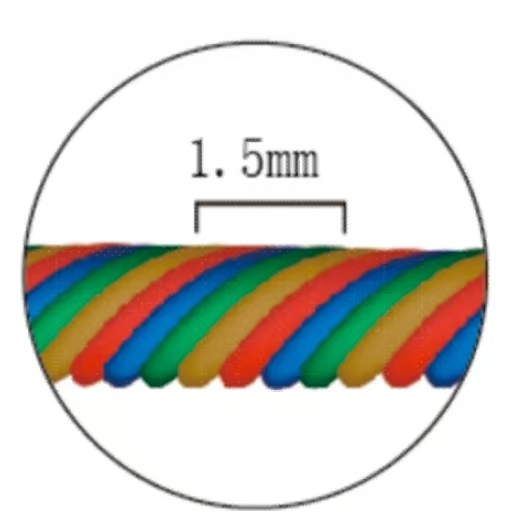
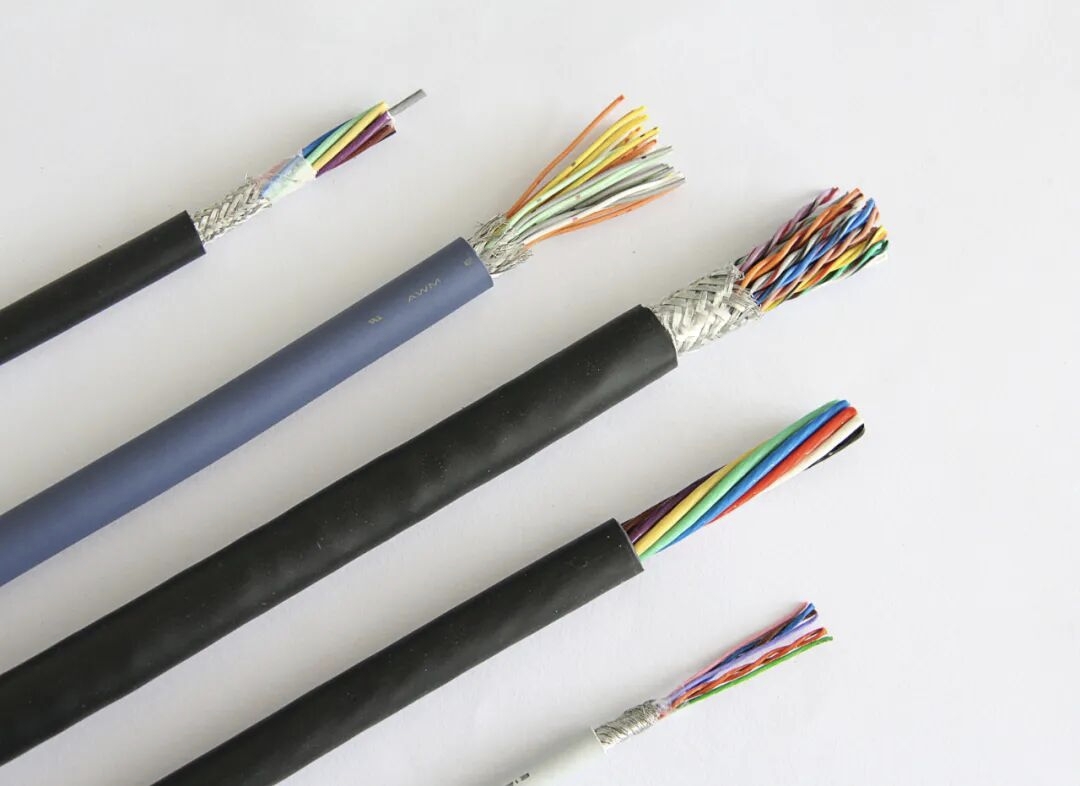
To improve the flexibility and overall strength of wires and cables, two or more single wires are interwoven in a specified direction. This process is called stranding. The entire stranding process consists of conductor stranding, cabling, braiding, wire armoring, and winding. Problems in any of these steps can directly impact cable quality. Modern production also involves equipment such as a cable extruder machine and cable extrusion machine to ensure stable insulation and high-quality output.
1. Conductor Twisting
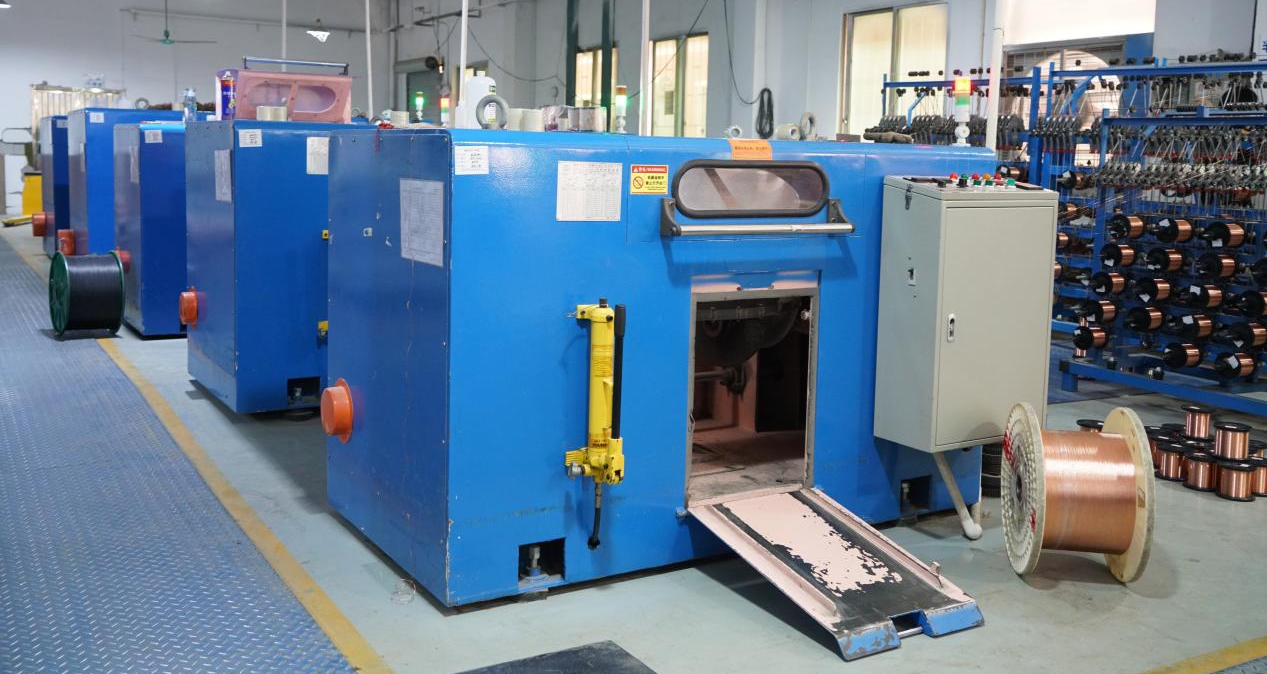
Wire and cable conductor stranding involves twisting several single wires of equal or different diameters together in a specific direction and pattern to form a single stranded core. When used directly as wire, these stranded wires are called bare stranded wire. When used as conductors in insulated wires and cables, these stranded wires are called stranded cores, a key component of insulated wires and cables. Advanced manufacturing integrates the use of extruder machine screw designs within plastic extrusion machine systems to guarantee precision in conductor insulation.
2. Cabling of Insulated Cores
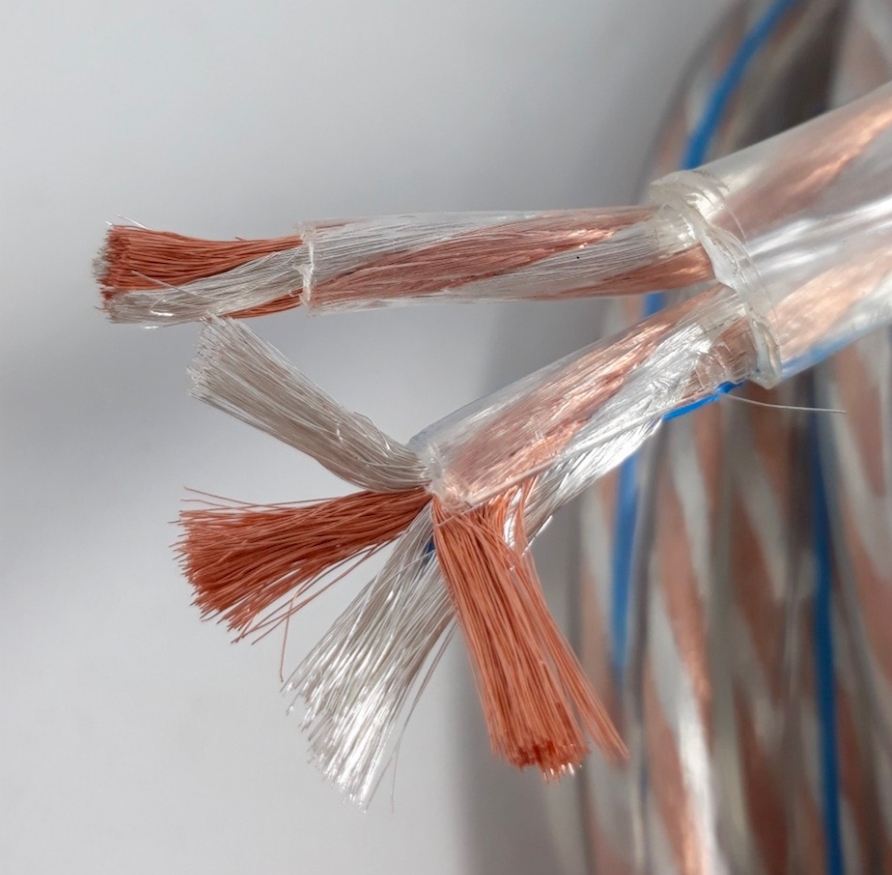
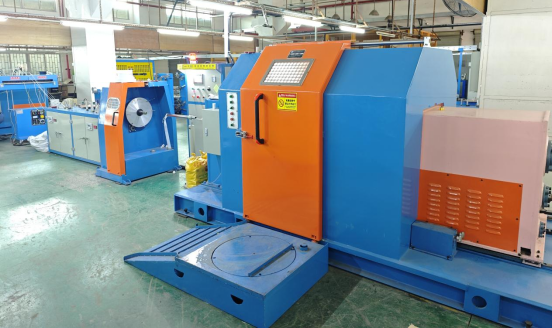
Cabling is the process of twisting several insulated wire cores or unit groups according to certain rules into a cable core. Cabling is also twisting. In addition to twisting, the cabling process also includes cable filling, taping, and other processes. Today’s factories often pair cabling steps with Cable Extruder technology, improving consistency and efficiency.
3. Characteristics of core twisting
1.Good Flexibility
Wires and cables vary in their current carrying capacity and conductor cross-section depending on their use. As the conductor cross-section increases, the diameter also increases, making bending more difficult. Twisting multiple small-diameter conductors improves the conductor's bending ability, facilitating the processing, manufacturing, and installation of wires and cables.
2.Good Stability
In a stranded cable, multiple strands are twisted in a certain direction and pattern. Each strand alternates between the elongation zone at the top and the compression zone at the bottom. When the cable is bent at both ends, the elongation and compression forces on each strand are equal, preventing any elongation or compression, and the strands from deforming.
3.High Reliability
Using a single conductor as a wire is susceptible to material inhomogeneities or manufacturing defects that can affect the reliability of a single conductor core. Using multiple conductors to create a twisted core disperses these defects, preventing them from concentrating at a single point in the wire. This significantly improves the reliability of the wire, especially at joints.
4.High Strength
Comparing single wire and multiple stranded wires of the same cross-sectional area, stranded wire is stronger than single wire.
4. Wire Core Twisting Style
1.Regular concentric stranding
(1) Ordinary stranded wire is made of single wires of the same diameter, twisted in layers in a regular concentric pattern, with each layer twisted in the opposite direction. The center layer is usually a single wire or a core of 2-5 single wires of the same diameter, with one or more layers of single wires twisted on top.
(2) Combination stranded wire is made of single wires of the same diameter but different materials, or different diameters and different materials.
2.Irregular Bunching (Bundled Wire)
Bundled wire is composed of multiple strands bunched together in the same lay direction, not according to a regular bunching pattern. The strands are not fixed in position, and the bundled wire's shape is difficult to maintain. Because bundled wire is twisted in a single direction, it is more flexible than ordinary stranded wire.
3.Sector-Shaped Compacted Wire and Round Compacted Wire
5. The significance and purpose of wire and cable stranding
1.Single wires are difficult to bend and lack flexibility, making production, transportation, installation, routing, and use difficult.
2.Due to the large cross-section of a single conductor, eddy current losses are significant, affecting power transmission efficiency.
3.Purpose: To ensure a certain cross-section for electrical performance and a certain degree of flexibility for mechanical performance. Advanced tools like the cable extrusion machine and Cable Extruder help combine stranding and insulation into efficient processes, ensuring both performance and long-term reliability.