

How to Use The Extruder Correctly
Proper and rational use of the Cable Extruder in production can maximize its performance, maintain good working condition, and extend its service life. The use of a cable extruder machine involves a series of steps, including installation, adjustment, commissioning, operation, maintenance, and repair, primarily involving the extruder machine screw and speed reduction gear. However, the extrusion system of a plastic extrusion machine has its own unique characteristics, requiring special attention when operating it.
Here is a brief overview of cable extrusion machine operation:
Operators must be familiar with the structural features of the cable extrusion machine they are operating, especially the structural characteristics of the screw, the characteristics of the heating and cooling control instruments, the characteristics of the die, and the assembly conditions. This ensures accurate control of extrusion process conditions and proper machine operation.
The operating methods for extruding different plastic products vary, but there are also commonalities. The following briefly describes the common operating steps and precautions for extruding various products.
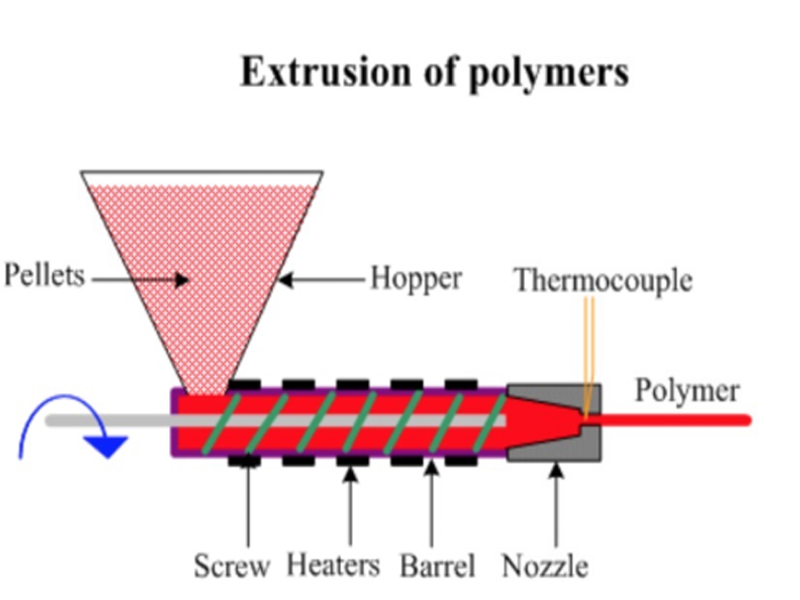
1.Preparation before production
(1)Plastics for extrusion molding. The raw materials should meet the required drying requirements and need to be further dried if necessary. The raw materials should be screened to remove agglomerated particles and impurities.
(2)Check whether the water, electricity, and gas systems in the equipment are normal and ensure smooth flow and no leakage. Check whether the electrical system is normal, the heating system, temperature control, and various instruments are working reliably; run the auxiliary machine at low speed and observe whether the equipment is operating normally; start the vacuum pump and observe whether it is working normally; lubricate the smooth parts of various equipment. If any fault is found, it should be eliminated in time.
(3)Install the machine head and mold. Select the machine head specifications according to the type and size of the product. Install the machine head in the following order.
①The machine head should be assembled together and installed as a whole on the extruder.
②Before assembling the machine head, wipe off the grease applied during storage, carefully check whether there are bumps, scratches, and rust spots on the cavity surface, perform necessary polishing, and then apply a layer of silicone oil on the runner surface. ③Assemble the various plates of the die head in order. Apply high-temperature grease to the threads of the bolts, then tighten the bolts and flanges.
④Place the porous plate between the machine head and the flange to ensure that the plate is compressed and does not overflow.
⑤Before tightening the fastening bolts connecting the machine head to the extruder flange, adjust the die level. Use a level to adjust the level for a square die head. For a round machine head, use the bottom surface of the die head to level it, using the bottom surface of the die mold as a reference.
⑥Tighten the connecting flange bolts, tighten the machine head fastening bolts, and install the heating coil and thermocouple, ensuring that the heating coil is firmly against the outer surface of the die head.
⑦Install the mold and adjust its position. Check that the center lines of the main machine, sizing sleeve, and traction machine are aligned. After adjustment, tighten the fixing bolts. Connect the water pipes and vacuum pipes of the sizing sleeve.
⑧Turn on the heating power supply to evenly heat the machine head and barrel. Simultaneously, open the cooling water valves at the bottom of the hopper and gearbox, as well as the water inlet valves for the exhaust vacuum pump. During heating, first adjust the temperature of each section to 140℃. Once at 140℃, hold the temperature for 30-40 minutes before raising it to the normal production temperature. Once the temperature reaches the required production temperature, hold it for approximately 10 minutes to allow the temperature of all parts of the machine to stabilize before starting production. The holding time varies depending on the extruder model and the type of plastic material being used. This period of holding allows the internal and external temperatures of the machine to be consistent. This prevents the instrument from indicating the required temperature when the actual temperature is lower than expected. If material is fed into the extruder at this time, the actual temperature will be too low and the material's melt viscosity will be too high, causing axial overload and damage to the machine.
⑨Feed the raw materials for production into the hopper for use.

2. Start the machine
(1)After the temperature is constant, the machine can be started. Before starting the machine, the bolts of the machine head and the extruder flange should be tightened again to eliminate the difference in thermal expansion between the bolts and the machine head. The order of tightening the machine head bolts is to tighten them diagonally and apply force evenly. When tightening the machine head flange nuts, the tightness should be consistent on all sides, otherwise the material will escape.
(2)After pressing the "start" button, slowly rotate the screw speed adjustment knob to start the screw speed slowly. Then gradually speed up and add a small amount of material at the same time. When adding material, pay close attention to the changes in the indications of the main machine ammeter and various indicator meters. Before the plastic profile is extruded, no one should stand in front of the die to prevent injuries caused by bolt breakage or bubbling due to moisture in the raw material. After the plastic is extruded from the machine head die, the extrudate needs to be slowly cooled and guided to the traction device and the shaping die, and these devices are started. Then, according to the indication value of the control instrument and the requirements for the extruded product, make corresponding adjustments to each part to ensure that the entire extrusion operation reaches normal state.
(3)When the material is discharged from the die evenly and the plasticity is good, it can be pulled into the shaping sleeve. The judgment of the degree of plasticization needs to be based on experience. Generally, it can be judged based on the appearance of the extruded material. The surface is glossy, free of impurities, foaming, burnt materials and discoloration. The extruded material is squeezed by hand to a certain degree without burrs or cracks, and has a certain elasticity. At this time, it means that the material is well plasticized. If the plasticization is poor, the screw speed, barrel and head temperature can be appropriately adjusted until the requirements are met.
(4)During the extrusion production process, various process parameters should be checked regularly according to process requirements to see if they are normal, and the process record sheet should be filled in. Check the quality of the profile products according to the quality inspection standards, and take timely solutions when problems are found.
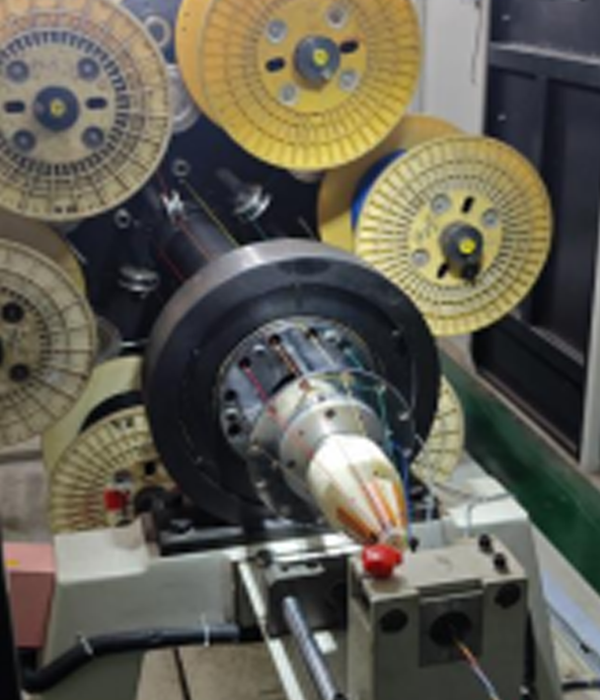
3. Stop the machine
(1)Stop feeding, squeeze out all the plastic in the extruder, and when the screw is exposed, turn off the barrel and machine head heating power and stop heating.
(2)Turn off the power of the extruder and auxiliary machines, and stop the screw and auxiliary machines.
(3)Unscrew the head connection flange and disassemble the machine head. Clean the porous plate and various parts of the machine head. To prevent damage to the inner surface of the machine head during cleaning, use a steel bar or steel sheet to clean the residual material in the machine head. Then use sandpaper to grind off the plastic adhering to the machine head, polish it, and apply machine oil or silicone oil to prevent rust.
(4)Clean the screw and barrel. After removing the machine head, restart the main machine, add the shutdown material (or crushed material), and clean the screw and barrel. At this time, use a low speed (about sr/min) to reduce wear. After the material is completely crushed into powder and extruded, compressed air can be used to repeatedly blow out the remaining pellets and powder from the feed port and exhaust port until there is no residual material in the barrel. Then, reduce the screw speed to zero, stop the extruder, and turn off the main power supply and cold water valve.
(5)Safety items that should be paid attention to during extrusion include: electrical, thermal, mechanical rotation, and loading and unloading of heavy parts. The extruder room must be equipped with lifting equipment to install and remove heavy parts such as the machine head and screw to ensure safe production.
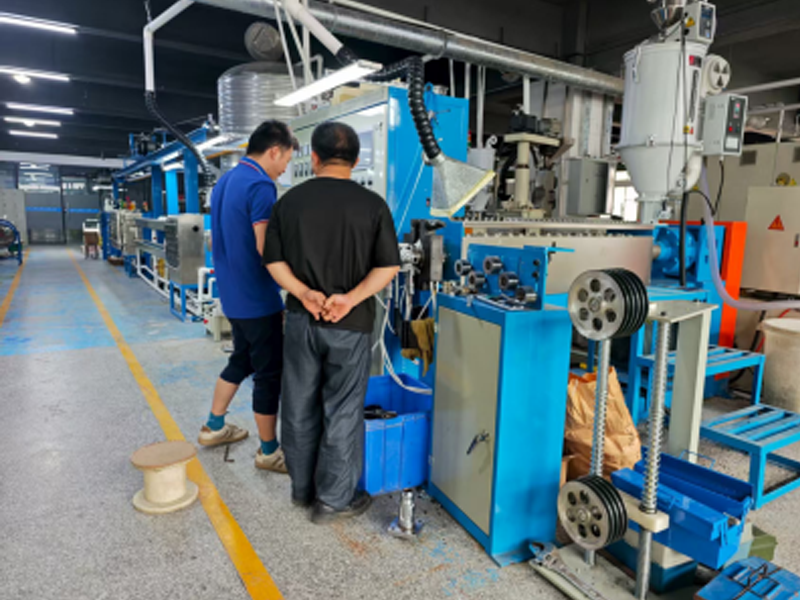
4. The extruder production line is maintained by daily maintenance and regular maintenance
(1)Daily maintenance is a regular routine work that does not take up the equipment's operating hours and is usually completed during the startup period. The focus is on cleaning the machine, lubricating the moving parts, tightening the loose threaded parts, and timely checking and adjusting the motor, control instruments, working parts and pipelines.
(2)Regular maintenance is generally carried out after the extruder has been running continuously for 2500-5000 hours and the machine is shut down. The machine needs to be disassembled for inspection, measurement, and identification of the wear of the main parts, and parts that have reached the specified wear limit are replaced and damaged parts are repaired.
(3)No-load operation is allowed to avoid the screw and barrel from being roughened.
(4)If abnormal noise occurs during the operation of the extruder, the machine should be stopped immediately for inspection or repair.
(5)Prevent metal or other debris from falling into the hopper to avoid damage to the screw and barrel.
(6)Pay attention to the cleanliness of the production environment. Do not allow garbage and impurities to mix into the material and clog the filter plate, affecting the output and quality of the product and increasing the resistance of the machine head.
(7)When the extruder needs to be stopped for a long time, anti-rust grease should be applied to the working surfaces of the screw, machine cylinder, machine head, etc. Small screws should be hung in the air or placed in a special wooden box and padded with wooden blocks to prevent the screw from deformation or damage.
(8)Regularly calibrate the temperature control instrument to check the correctness of its adjustment and the sensitivity of the control.
(9)The maintenance of the extruder reducer is the same as that of a general standard reducer. It is mainly to check the wear and failure of gears, bearings, etc. The reducer should use the lubricating oil specified in the machine manual and add oil according to the specified oil level. Too little oil will not lubricate the parts, reducing the service life of the parts; too much oil will cause high heat, high energy consumption, and the oil will easily deteriorate, which will also cause the lubrication to fail and damage the parts. The sealing gasket (ring) should be replaced in time at the oil leakage part of the reducer to ensure the amount of lubricating oil.
(10)The inner wall of the cooling water pipe attached to the extruder is prone to scale and the outer surface is prone to corrosion and rust. Careful inspection should be carried out during maintenance. Excessive scale will block the pipe and fail to achieve the cooling effect. Severe rust will cause water leakage. Therefore, descaling and anti-corrosion cooling measures must be taken during maintenance.
(11)For the DC motor that drives the screw, the brush wear and contact condition should be checked in particular. The insulation resistance value of the motor should also be measured regularly to see if it is above the specified value. In addition, the connecting wires and other components should be checked for rust and protective measures should be taken.
(12)Designate a person to be responsible for equipment maintenance. Detailed records of each maintenance and repair should be included in the factory equipme