
The PVC cable extruder machine plays a vital role in the modern wire and cable manufacturing industry. Its primary purpose is to apply a protective insulation layer over a conductor—typically copper or aluminum—using molten polymer materials like PVC. The machine's working process is a combination of precise mechanical, thermal, and control systems, designed to achieve high-speed and high-quality insulation and jacketing in cable production.
Operating Environment Requirements for PVC Extruder Machines
For optimal performance, a cable extrusion machine should be installed in a stable indoor environment. The ambient temperature must remain between -20°C to 40°C, with humidity levels no greater than 85%. There should be no conductive dust or corrosive gases that could damage electrical components or metal parts. Additionally, the machine must be positioned away from sources of vibration or physical impact, ensuring long-term operational stability and product consistency.
PVC Extruder Machine Workflow Explained
The extruder machine melts polymer granules through heating and transfers the molten material using an extruder machine screw. This screw applies rotational shear, pushing the viscous melt through a specialized die head. As the plastic exits the die, it coats the cable conductor or core uniformly, forming a continuous insulated sheath.
When selecting an extruder, it is crucial to match the screw diameter and machine capacity with the size and type of the cable being produced. Using an oversized screw for a small-diameter wire can lead to over-melting or resin degradation. For instance, producing 2.0mm cables with a 90mm screw can cause excessive residence time in the barrel, leading to thermal damage, product inconsistency, and premature equipment wear.
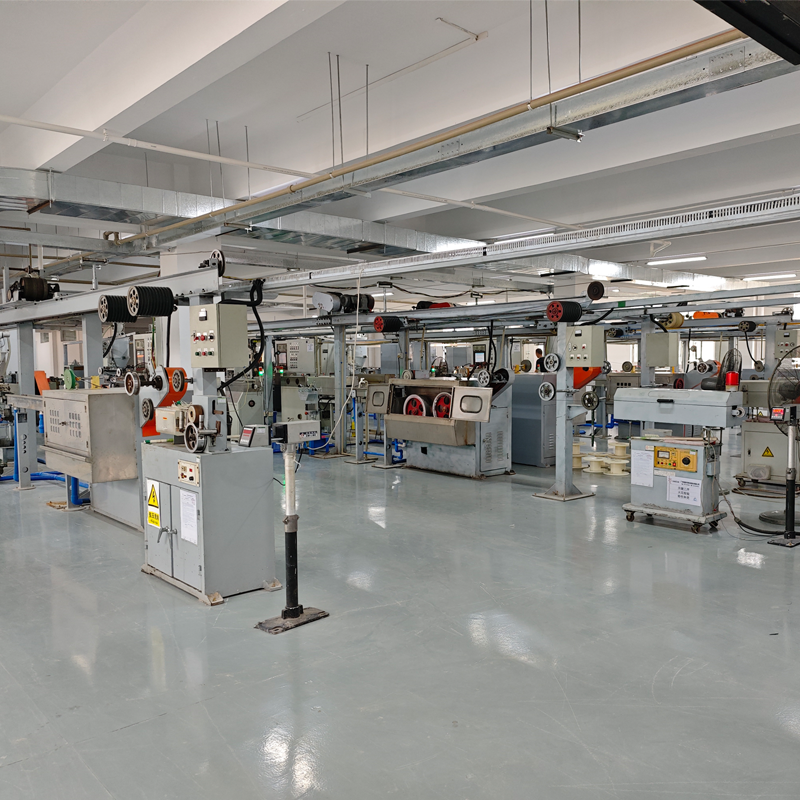
Modern Cable Extruder setups include integrated systems like a temperature control unit, crosshead, automatic material loader, and dryer. Some lines may also feature stripe extruders or dual-layer configurations, especially in high-performance installations like Silicone Wire Extrusion Line or Chemical Foaming Wire Extrusion Line.
Pre-Startup Preparations
Before operation begins, several steps must be followed:
Ensure plastic pellets are fully dried.
Install the correct type of die head, including breaker plate, filters, and mandrel.
Attach heaters and thermocouples securely, and check for potential leakage points.
Manually align die head and stripe extruder (if applicable).
Preheat the barrel and die until reaching set temperatures.
Tighten all adjustment bolts after thermal expansion.
Never run the extruder machine cold, as unmelted plastic can shear the screw.
During Operation
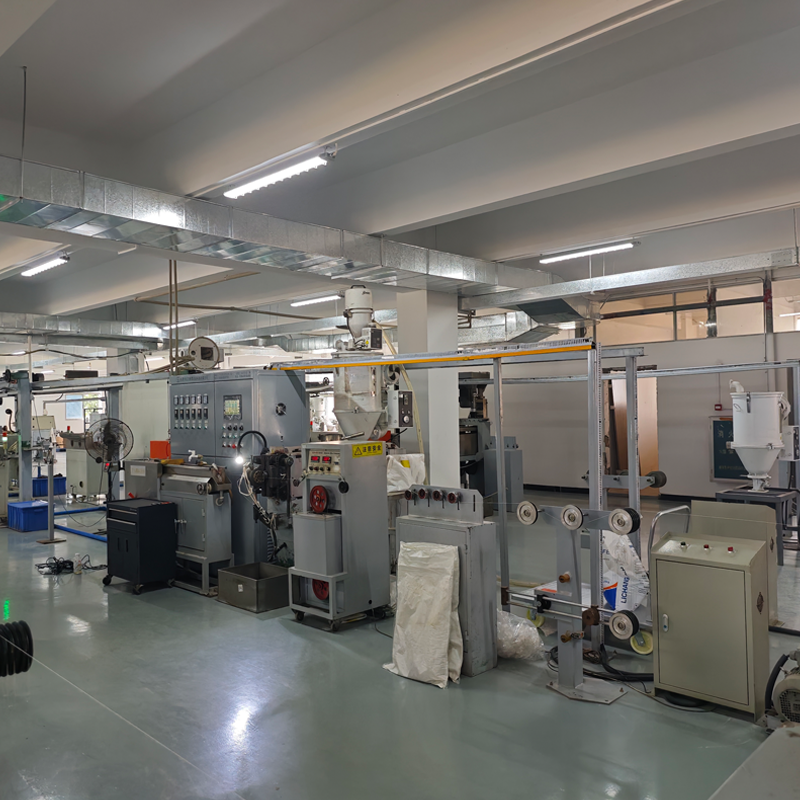
Initial feeding should be slow, gradually increasing material input as the melt flows steadily from the die. Cable cores should be aligned and guided through the extrusion system, followed by engaging all downstream equipment. Process parameters such as temperature, speed, and layer thickness should be fine-tuned via control panels based on product specifications. Quality inspection of surface smoothness, concentricity, and diameter must be done regularly.
Shutdown Procedures
When production is completed or interrupted:
Stop feeding plastic and empty the barrel completely.
Shut down all auxiliary units like preheaters, cooling tanks, and powder coaters.
For rigid PVC, flush the screw with soft PVC pellets before complete shutdown.
In polyolefin processing, stop the line under load to avoid oxygen infiltration.
Clean the die head, screw, and barrel thoroughly before the next cycle.
Proper maintenance during shutdown ensures the longevity of the machine and consistent product quality, especially when running demanding materials like those used in Teflon Wire Extrusion Lines or Silicone Wire Extruders.
At Hongli, we don’t just supply extrusion equipment—we provide total wire and cable production solutions. From customized rubber extruder machines to fully integrated Silicone Cable Extrusion Lines, we support every stage of your manufacturing journey with expert consulting, installation, and after-sales service. If you're looking for long-term value and performance, contact us today to learn how our one-stop extrusion solutions can empower your production capabilities.