
Cable extrusion is the process of transforming plastic raw materials into a continuous profile that protects cable cores from external damage and mechanical wear. A high-quality Cable Extruder ensures that this process runs smoothly, producing reliable insulation and sheathing layers for cables. Today, Hongli—a professional cable extruder machine manufacturer—shares the standard operating procedure for cable extrusion lines.
1.Pre-Operation Checks
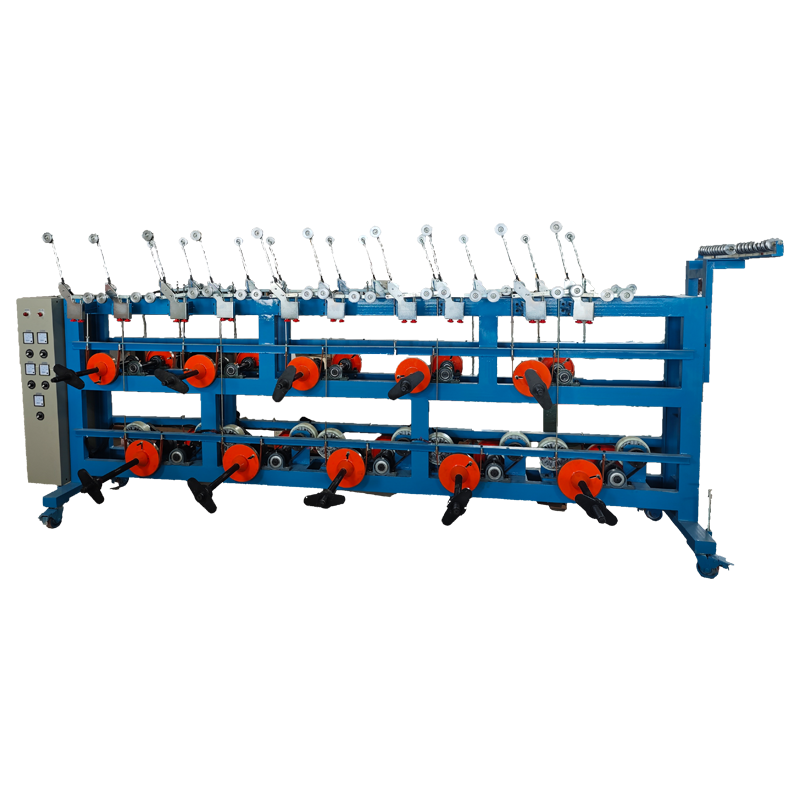
Before starting the Extruder Machine, operators must inspect lubrication, transmission, and electrical control systems. Any issues must be resolved promptly by the relevant personnel.
Operators should also install the correct mold according to product specifications and carefully adjust the gap between the die core and outer die to avoid deviations in plastic thickness.
2.Heating Preparation
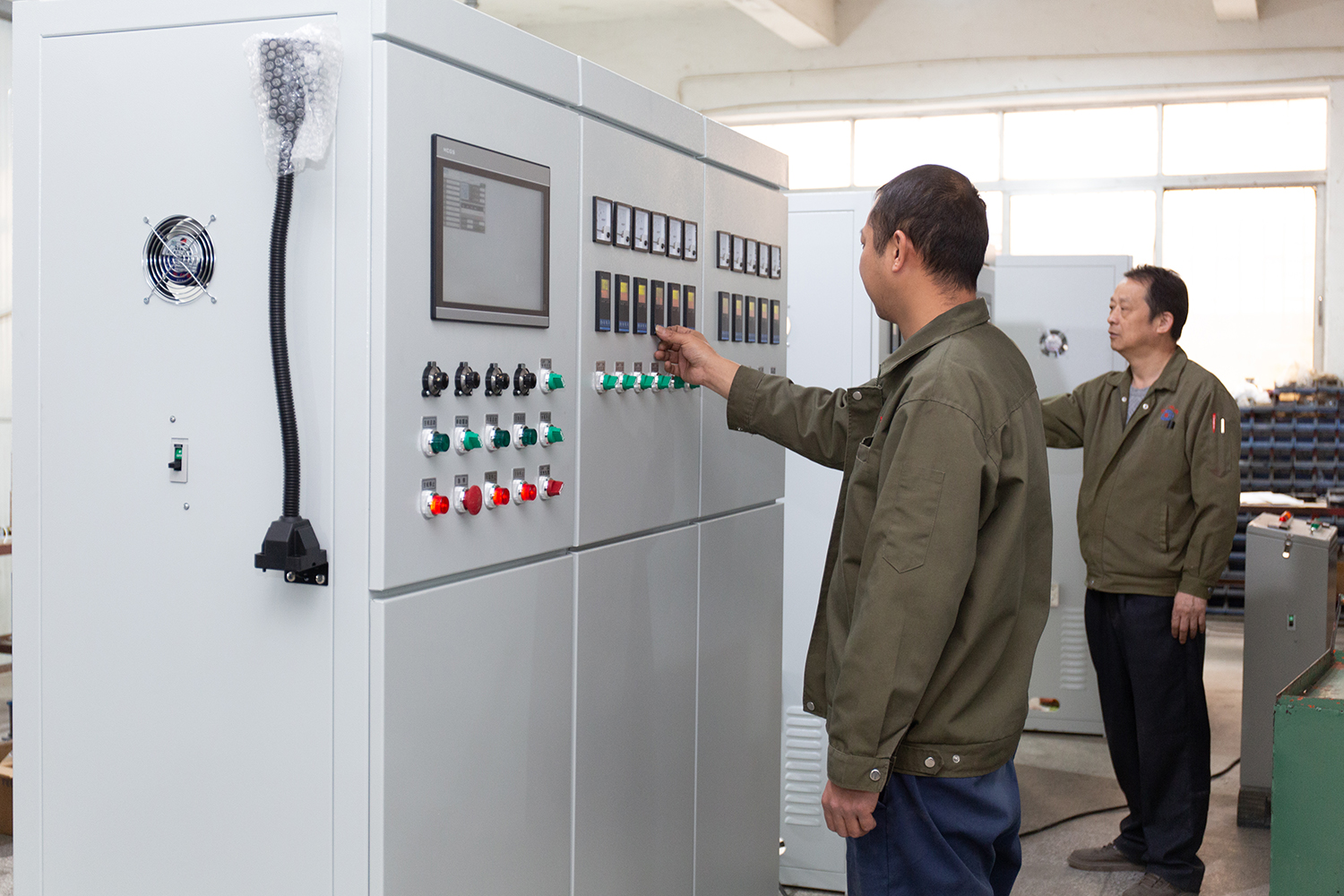
The heating system should be turned on 2–3 hours in advance, adjusting each zone's temperature based on technical requirements. Overheating or insufficient heating can affect material plasticization and product quality.
3.Material and Equipment Readiness
Check that all plastic materials and semi-finished products meet quality standards. Select an appropriate take-up reel based on cable length and bending radius to ensure proper alignment during production.
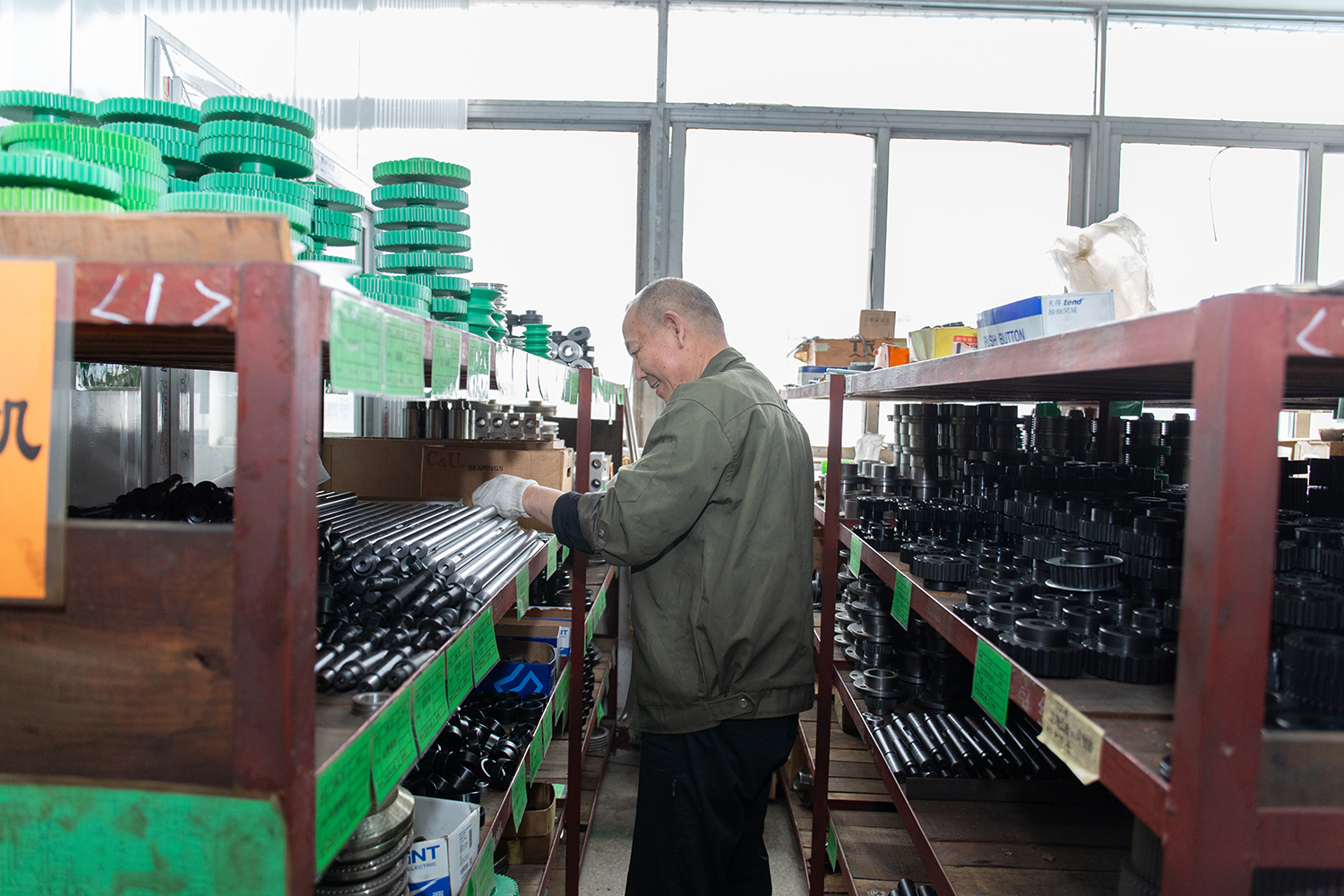
Conduct a dry run to test the extruder machine screw, traction speed, wire direction, take-up/release mechanisms, temperature control, and electrical switches. Only begin production once all systems function normally.
4.Extrusion Process
-Feeding and Monitoring: Qualified plastic is loaded into the hopper. Operators must continuously monitor current, voltage, and feed level without leaving their station.
-Melt and Adjustment: Once plastic exits the die, check its plasticization. Adjust the die to ensure even thickness and proper centering of the plastic layer.
-Sampling and Inspection: Check product quality, including outer diameter, surface smoothness, and possible defects like air bubbles or burn marks.
-Production Startup: Organize the team clearly, assign roles, and begin formal operation.
-Wire Feeding: Feed wire cores into the extruder and control the extruder machine screw and traction speed to achieve the required insulation thickness. Ensure the cable is evenly wound onto the take-up reel.
-Quality Control: Frequently measure product diameter, inspect surface quality, and monitor equipment operation and heating stability. Maintain consistent extrusion and avoid glue breakage or layer separation.
Operators should also monitor insulation quality and avoid letting unqualified sections enter the take-up reel. Any short pieces must be trimmed, and joints tracked carefully to avoid blockages or water ingress.
5. Shutdown Procedure
-Stop Sequence: First, cut off the traction power, then stop the main motor. Remove the die head, close the hopper valve, and clean the machine barrel and extruder machine screw.
-Cleaning Triggers: Clean the die head after production ends, in case of overheating, long downtimes, or plastic burning.
-Post-Cleaning: Ensure the cleaned components are dry and ready for the next shift. Fill out production logs, labels, and tracking cards.
-Shift Preparation: Prepare molds, semi-finished products, and trays for the next batch.
-System Shutdown: After powering down, verify that the water, air, and power sources are off before leaving the machine.
Whether you're running a Cable Jacketing Extrusion Line, Power Cable Extrusion Line, Flat Cable Extrusion Line, or Optical Fiber Cable Extrusion Line, Hongli’s complete extrusion systems and expert support ensure a safe and productive operation. Our advanced cable extrusion machine solutions provide stability, energy efficiency, and consistent output—helping your factory achieve better quality and higher efficiency.